For a long time, the UK has been the first place in Europe that skilled workers think of when they want to work abroad. But the UK is no longer the only option that makes sense. Several countries in continental Europe are actively looking for international talent, especially in healthcare and technology, and are offering structured visa sponsorship routes to fill skill gaps that won’t go away.
This guide is for tech and healthcare workers seeking jobs outside the UK. We will closely examine five European nations characterised by significant visa sponsorship activity, explain the underlying demand, and define the integration of international workers within these labour markets.
This article doesn’t make big claims or promises that things will get better right away. There is never a guarantee of sponsorship. However, the countries discussed here have set up systems that make it possible, practical, and more and more common for qualified non-European workers to get jobs and work permits.
Why European Countries Are Competing for Global Talent
Over the past ten years, Europe’s population and economy have changed a lot. Many countries have older populations, more healthcare needs, and quick changes to technology. Domestic labour alone can no longer meet these needs.
Technology makes productivity, cybersecurity, and new ideas possible. As people get older and medical systems get more complicated, healthcare keeps societies running. Governments facilitate skilled professionals’ migration to other nations when there is a shortage of workers in these fields.
This creates real chances for international workers, especially those with experience in IT or healthcare, if they plan ahead.
What “High Visa Sponsorship” Really Means
Before naming specific countries, it’s important to explain what sponsorship means in Europe.
In most cases, visa sponsorship means an employer demonstrates that a role meets skill and salary thresholds and supports the worker’s residence and work permit application. The process varies by country, but the principle is the same: the job offer enables legal work and residence.
A “high sponsorship rate” doesn’t mean that approvals are guaranteed. That means:
- Employers regularly hire non-European workers
- Immigration pathways are well-defined and predictable
- Processing systems are functional and realistic
- Demand consistently outpaces local labour supply
Now that we’ve set the stage, let’s look at the five countries where these conditions are currently best for tech and healthcare workers.
Germany: Europe’s Largest Skills Market
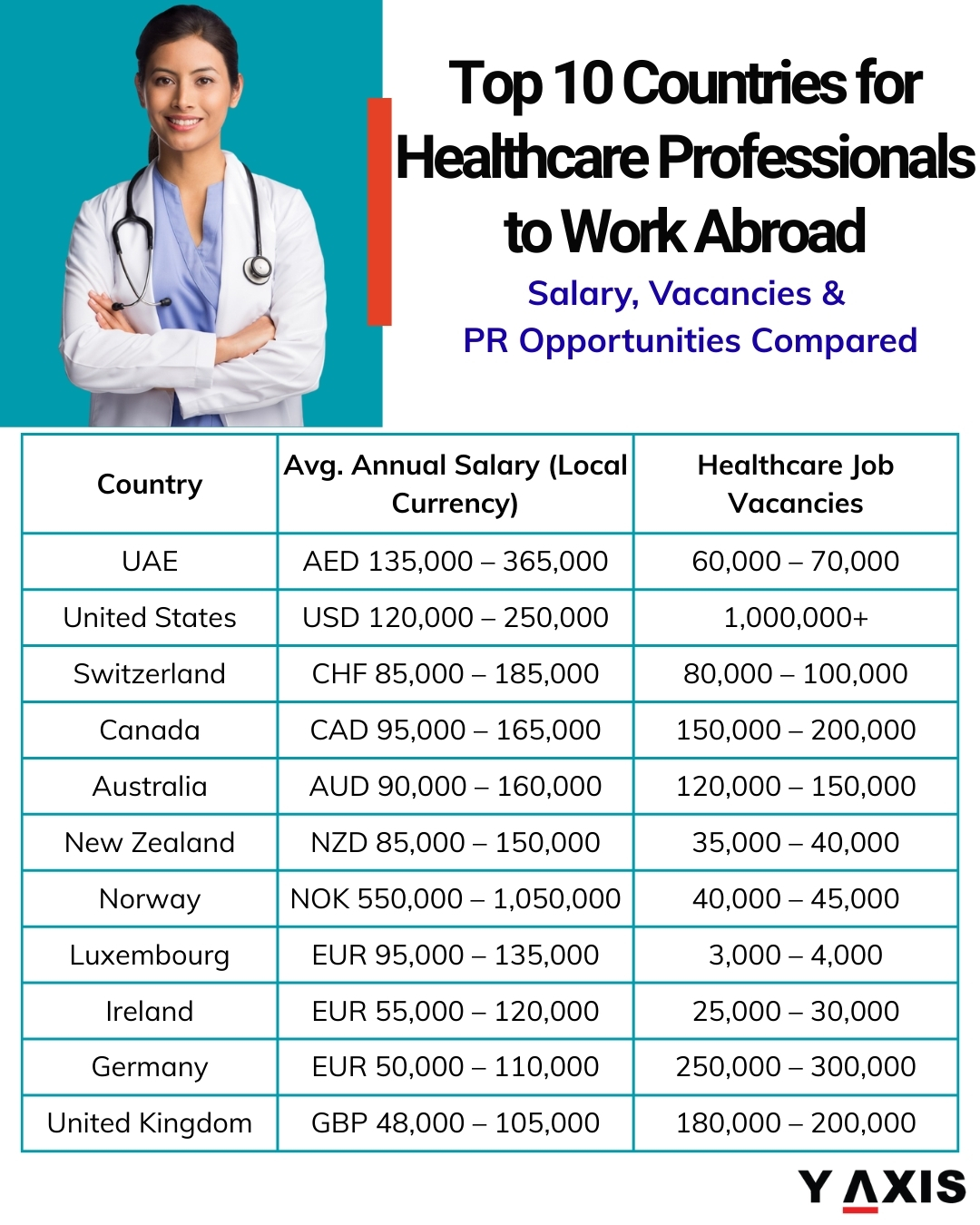
Germany has quietly become one of the easiest European countries for skilled workers from other countries to move to.
Germany is Europe’s biggest economy, so it has many needs in software development, IT infrastructure, engineering, and healthcare. Hospitals, tech companies, manufacturing companies, and research institutions all say they still don’t have enough workers.
Germany has made it easier for qualified professionals from outside of Europe to move there recently. This has made it less difficult for people from outside of Europe to apply. Employers are now more willing and better able to hire people from other countries.
Why is there a need for tech workers? Germany’s businesses depend a lot on software systems, automation, and keeping data safe. There is a high demand for software engineers, IT specialists, and system administrators.
The reasons for hiring healthcare workers There is more need for nurses, medical technicians, therapists, and doctors because the population is getting older. To keep their staffing levels up, many hospitals now hire people from other countries.
Language issues In healthcare jobs, knowing how to speak German is essential. However, most tech jobs, particularly at international companies and startups, require proficiency in English.
Germany offers stability, strong labour protections, and long-term career prospects—factors that make it especially appealing for professionals planning extended stays.
Ireland: A Tech-Centric Gateway to Europe
Ireland has emerged as a major European hub for global technology companies.
There are a lot of international companies that have set up big operations there, which means there is always a need for software engineers, data analysts, There is a need for cybersecurity experts and cloud specialists. Consequently, Irish employers have become accustomed to hiring skilled workers from outside Europe.
The demand for healthcare remains high, particularly in public and private hospitals that struggle with staff shortages.
What makes Ireland distinctive?
Ireland’s business environment is international by design. English is the working language, and companies often operate across borders. This lowers cultural and communication barriers for international professionals.
Tech job openings Jobs in software development, IT infrastructure, and digital services are still some of the most common ones that companies pay for.
Paths to health care Ireland frequently hires doctors, nurses, and other health professionals from other countries, provided their credentials align with Irish standards.
Ireland is a small country with strong ties to the rest of the world. Ireland is also easily accessible and offers numerous job opportunities.
The Netherlands: Structured Sponsorship for Skilled Professionals
The Netherlands is known for having a clear and effective way to handle skilled migration.
The Dutch system relies heavily on employer sponsorship through recognised sponsorship arrangements instead of looking at each applicant one at a time, which creates a lot of uncertainty. Government-approved companies can hire international staff with fewer paperwork issues.
This setup is beneficial for both employers and workers from other countries.
Technology sector demand
The Netherlands hosts a vibrant tech ecosystem spanning fintech, artificial intelligence, e-commerce, and enterprise software. International teams are common, and English is widely used in professional settings.
Healthcare requirements Healthcare jobs like medical specialists, nurses, and lab professionals are still in high demand, especially in cities, even though they are more regulated than tech jobs.
Work-life balance matters.
The Netherlands consistently ranks high for work-life balance, an important consideration for long-term professional satisfaction.
The Dutch system stands out for professionals who want immigration processes to be predictable.
Sweden: Innovation-Driven and Talent-Hungry
Sweden’s economy is based on new ideas, digitalisation, and strong public services, all of which need many skilled workers.
Sweden has made it easier for international professionals to work in both the tech and healthcare sectors because local labour markets can’t keep up with demand.
Why does Sweden value tech professionals?
Sweden’s digital economy thrives on software development, system engineering, and emerging technologies. Startups and established firms alike recruit globally, often operating in English.
Trends in hiring for healthcare More hospitals and regional health authorities are looking beyond the country to hire nurses, doctors, and other specialised healthcare workers.
Cultural adaptation Sweden values openness and equality, but professionals from other countries may find that the rules at work are different. To help new employees feel at home, many companies offer structured onboarding.
Sweden attracts professionals seeking innovative jobs within a socially supportive system.
Norway: High Demand, High Responsibility
Norway’s strong public services and modern infrastructure mean that there is always a need for skilled workers.
Despite having a smaller population, Norway experiences acute shortages in healthcare and specialised technical roles. Employers increasingly recruit internationally to fill these gaps, especially in rural and high-demand regions.
Healthcare focus
Norwegian healthcare institutions face staff shortages across nursing, mental health, and specialist care. International recruitment has become a practical necessity.
Jobs in technology and engineering Energy systems, digital infrastructure, and industrial technology are the main reasons why tech companies hire people, especially when they need people with specific skills.
Jobs in technology and engineering Energy systems, digital infrastructure, and industrial technology are the main reasons why tech companies hire people, especially when they need people with specific skills.
Requirements for language Most jobs in healthcare require you to speak Norwegian. But some tech jobs work in environments where English is the first language.
Norway has high living standards and competitive salaries, but the cost of living is also higher. For many professionals, the trade-off is worth it.
Why Tech and Healthcare Dominate Sponsorship Lists
Across all five countries, a pattern is clear.
Technology and healthcare occupations appear most frequently in sponsored roles because:
- Demand is persistent and growing
- Skills are difficult to source locally
- Training pipelines take years to produce qualified staff
- Global experience adds value
Other sectors may offer sponsorship, but tech and healthcare consistently provide the strongest, most reliable pathways.
Common Pathways to Visa Sponsorship
Even though each country has its system, sponsored workers often go through the same process.
The job offer comes first. Employers need to look at skills, credentials, and work history. Healthcare jobs typically require professional recognition.
The next step is to get a work and residence permit. The employer supports paperwork, and the applicant meets the health, background, and qualification requirements.
Finally, onboarding and integration start after the person arrives, and they may get extra training or help with the language.
Knowing this order helps applicants make realistic plans.
Practical Tips for International Applicants
It’s only half the battle to know where the chances are. Getting ready is important.
Focus on roles that are in short supply. Target jobs that are always on national skills shortage lists.
Prior to applying, healthcare professionals should consider the necessary credentials for professional recognition.
Adapt applications locally
Make changes to apps locally European CV formats and interview styles are different from those used in the UK and other non-European countries.
What This Does Not Guarantee
It’s important to remain realistic.
Visa sponsorship does not guarantee:
- Immediate employment
- Permanent residence
- Career advancement without effort
Success depends on qualifications, experience, adaptability, and timing. Sponsorship creates opportunity—not certainty.
Why Looking Beyond the UK Makes Sense
For a long time, international workers only worked in the UK. Today, Europe has many options with clearer processes and high demand.
Looking for jobs in more than one country gives you more options and makes you less reliant on one immigration system. It also lets you pick environments that are more in line with your career goals and personal preferences.
Final Thoughts: Europe’s Broader Opportunity Landscape
Germany, Ireland, the Netherlands, Sweden, and Norway all have excellent options for tech and healthcare workers who want to work in Europe with sponsorship. None of them promise quick fixes, but all of them offer structured, realistic systems that are open to skilled workers from other countries.
These countries are more than just backup options for professionals who are willing to do research, plan, and adapt. They are trustworthy, competitive places to go that could lead to a long-term career.
If you’re planning your next move, looking outside of the UK may not only give you more options, but it may also improve them.