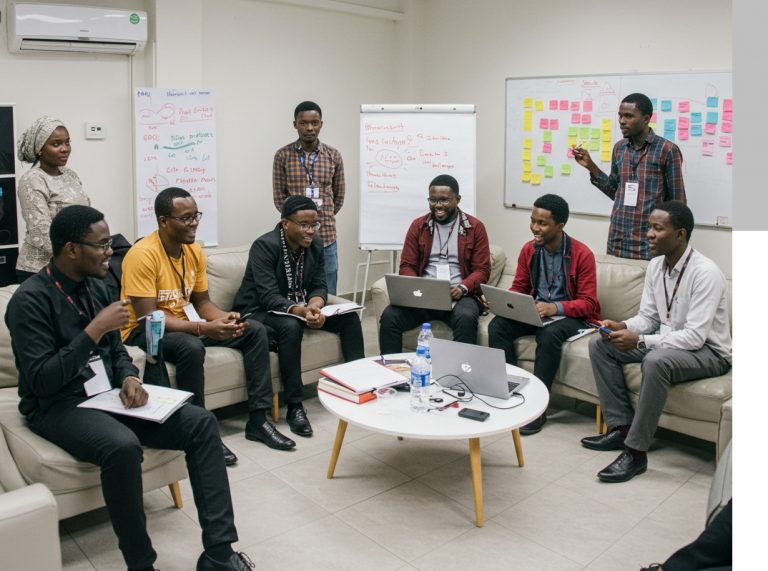
You’re not the only one who has ever found a life-changing international grant opportunity and felt overwhelmed by the application process. Many Nigerians find writing a grant proposal to be scary and technical, something that only academics or big organisations do. A well-written grant proposal is really just a clear, convincing explanation of who you are, what problem you want to solve, and why your project should get funding.
This guide is for Nigerians who want to get money from other countries for school, research, social impact projects, startups, creative work, or community projects. You don’t need a lot of education or special connections to write a successful proposal. You need order, clarity, honesty, and the ability to show value.
This article will provide you with insights into the mindset of international funders, guide you through the process of writing a professional grant proposal, highlight common mistakes commonly made by Nigerians, and offer practical advice on how to stand out without going overboard. You should feel sure about writing or improving your next grant proposal by the end.
Understanding What International Funders Look For
It’s important to know how grant providers think before you write anything. Most international funding organisations receive hundreds, or thousands, of applications. They aren’t just reading ideas; they’re also judging their credibility, feasibility, and effect.
Funders typically want to know four things:
Who is applying and why they are credible
What specific problem is being addressed
How the funding will be used
What measurable difference the project will make
For Nigerian applicants, funders are often interested in projects that help with real problems like getting more people access to education, healthcare, climate resilience, technology adoption, women’s empowerment, youth development, the creative industries, or economic inclusion. But just having an interest isn’t enough. Your proposal needs to make a clear link between the problem and a possible answer.
This is why it’s more important to be clear and focused than to use big words or bad grammar.
Clarifying the Purpose of Your Grant Proposal
Many people make the mistake of writing one general proposal and sending it to everyone. This usually means rejection. Your proposal must fit with the purpose of each grant.
Before you start writing, ask yourself:
What is this grant designed to support
Who does the funder want to help
What types of outcomes are they prioritising?
Some grants help people pay for school or do research, while others help nonprofits, new businesses, or policy initiatives. If you are applying as an individual Nigerian, ensure that the grant permits applications from individual or independent applicants.
Writing becomes much easier once you are clear on the exact purpose of the grant.
How to Structure a Winning Grant Proposal
Most strong grant proposals follow a pattern, even though the formats are a little different. Funders like it when they know the applicants well because it helps them compare them fairly.
You can use the professional structure below for most international grants.
Proposal Summary or Executive Overview
This is often the first section and sometimes the only part some reviewers read carefully. It should be short, clear, and compelling.
In one or two paragraphs, explain:
Who you are
What project you are proposing
What problem it addresses
What funding you are requesting
What outcome the funding will support
Think of this as your project snapshot. Avoid stories here. Be direct and specific.
A strong summary reassures the reviewer that continuing to read is worth their time.
Background and Problem Statement
This part talks about the problem your project is trying to solve and why it matters. Local knowledge is crucial for Nigerians seeking funding from foreign countries.
Instead of making broad claims, focus on reality:
What specific challenge exists
Who is affected
Why current solutions are not enough
Instead of saying “Nigeria has a lot of unemployed young people,” you could talk about how not having access to digital skills makes it harder for people to find work in a certain area or field. Concrete context adds trustworthiness.
Keep emotions balanced. The goal is to inform, not to exaggerate.
Your Project Goals and Objectives
This is a crucial part of your proposal. People who give you money want to know exactly what you want to do.
Goals are big things that happen. Goals are specific actions that can be measured.
A clear objective should answer:
What will be done
Who will benefit
When it will happen
How success will be measured
“Empower youth through technology” is less clear than “train 50 young Nigerians in practical digital skills within six months.”
Clarity here shows seriousness and planning ability.
Project Activities and Implementation Plan
This section explains how you will move from idea to action. Many Nigerian applicants lose points here by being vague.
Break the project into steps:
What activities will take place
Who will carry them out
Where they will happen
How long each step will take
You don’t have to make the process more complicated than it needs to be. Just a simple, logical flow is all you need. Donors want to know that your plan is doable with the time and money you have.
If the project includes partnerships, training, research, or community involvement, please give a short but clear explanation of each.
Budget Explanation and Use of Funds
Many applicants find budget sections intimidating, but they can be straightforward. International funders don’t care as much about getting everything right as they do about being open and logical.
Explain:
How much funding you are requesting
What major expenses will be covered
Why those costs are necessary
Common categories include travel, stipends, software, training materials, research tools, or costs of running the business.
Avoid inflated or vague figures. It is better to request a reasonable amount and justify it clearly than to request too much without explanation.
Remember, a grant proposal budget is informative, not a contract. It shows that you have thought through the financial side responsibly.
Why You Are the Right Candidate
This is where many Nigerians undersell themselves. You do not need to be famous or highly decorated. You only need to show relevance.
Explain:
Please describe your background or experience that is relevant to the project. Please describe any previous work or experience in the field that qualifies you to successfully complete the project.
This part isn’t for bragging. It is for line-ups. If you explain them well, even volunteer work, school projects, or community service can show that you are a good fit.
Expected Outcomes and Impact
This section answers the question: what changes after this grant is used?
Explain:
What will be different at the end of the project
Who will benefit and how
What long-term value does the project generate?
International funders prioritise outcomes that are quantifiable and long-lasting. Make sure to clearly say that your project will lead to skills development, research results, policy recommendations, or changes in the community.
Only make promises you can keep. Focus on what you expect to happen based on what you have planned.
Monitoring, Evaluation, and Learning
Many Nigerian applicants skip this section or treat it lightly, but funders take it seriously.
Here, you explain how progress will be tracked:
How you will measure success
What indicators you will use
How you will assess lessons learned
This does not need to be technical. Simple methods such as progress reports, participant feedback, assessments, or documented milestones are often sufficient.
This section reassures funders that you value accountability.
Sustainability and Future Plans
Some grants are short-term, but most funders want to know what happens next.
Explain briefly:
How the project can continue after the grant period
What future opportunities or partnerships may follow
How lessons learned can be applied elsewhere
You are not required to promise long-term funding. You are simply showing that the project has life beyond the grant period.
The writing style should appeal to international reviewers.
Write strong grant proposals in simple, confident English. Many international reviewers are not native English speakers either, so clarity matters more than sophistication.
Keep in mind:
Short paragraphs improve readability
Plain language improves understanding
Logical flow improves persuasion
Avoid copying phrases from other proposals or templates. Funders can recognise recycled language easily.
Your voice should sound professional but human.
Common Grant Proposal Mistakes Nigerians Should Avoid
Being aware of mistakes is just as important as knowing what to do right.
Some frequent issues include:
Submitting generic proposals
Ignoring the funder’s stated priorities
Using exaggerated language or promises
Providing unclear budgets
Writing without a clear structure
Focusing too much on personal need instead of project impact
Avoiding these mistakes alone can significantly improve your success rate.
Ethical Considerations and Honest Presentation
Applications for international funding are carefully looked over. False claims, fake numbers, or misleading stories can have long-lasting effects.
Always:
Present information truthfully
Clarify when something is planned rather than completed
Avoid claiming endorsements you do not have
If unsure, phrase cautiously. Honesty builds trust and protects your reputation.
How to Improve Your Proposal Before Submission
Even the strongest writers revise.
Before submitting, take time to:
Read your proposal aloud
Check clarity and flow
Ensure every section answers a clear question
Confirm alignment with the grant goals
If possible, ask someone else to read it. Fresh eyes often catch confusion you may miss.
Final Thoughts and Encouragement
Writing a grant proposal that wins is a skill, not a talent. Like any other skill, it gets better with practice and feedback. If you’re Nigerian and want to get money from abroad, your lived experience, local knowledge, and dedication to making a difference are all good things.
There is no need to sound as if you are from a different country, as if you are in a school setting, or as if you are flawless. You should be clear, honest, and focused.
Every good proposal starts out as a blank page. If you have the right structure and mindset, your next application can be more confident, competitive, and convincing.
You’re already on the right track if you consider grant writing to be a way to talk to people instead of a way to win.