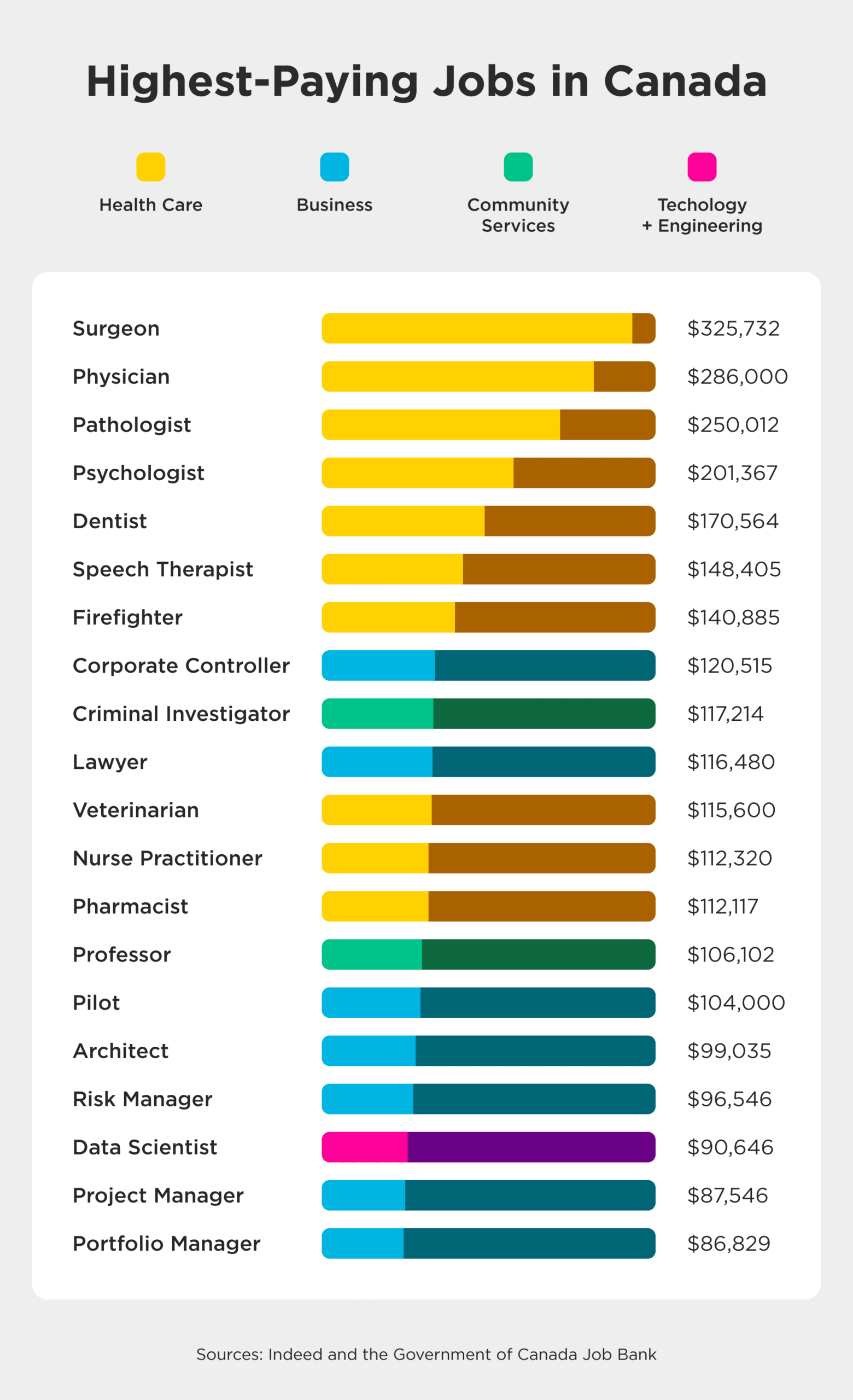
For many international students, picking a major is not just an academic choice. It is a choice for life. You’re considering your job’s stability, salary, the long-term usefulness of your skills, and whether they will lead to real job opportunities after graduation. As we get closer to 2026, one job in Canada still stands out: the Registered Nurse (RN).
People often talk about nursing in terms of care, compassion, and service, but it is also a job with high pay, steady demand, and respect around the world. Nursing is a unique profession that offers a good balance for international students who want to make a difference and earn a lot of money.
This guide tells you why Registered Nursing is one of the best and highest-paying jobs for international students in Canada. You will find out what RNs really do, how much they make, why employers are fighting for talent, and what the path looks like from school to job. There are no assumptions or technical problems, so everything is clear, and you can make decisions with confidence.
Why nursing careers matter so much to international students
International students have their set of problems. The cost of tuition is higher. Costs of living can be high. You also have the extra job of picking a career that will still be useful years after you graduate, not just right after.
Nursing deals with these facts in very effective ways.
First, healthcare is crucial. People need care no matter what the economy is like. Hospitals, clinics, long-term care facilities, and community health services can’t stop or outsource nursing work.
Second, nursing skills can be used in other jobs. A Registered Nurse qualification provides opportunities in numerous provinces and, in certain instances, globally.
Third, there aren’t enough experienced nurses. As Canada’s population gets older and its healthcare needs grow, the demand for trained professionals is growing faster than the supply.
This combination is important for international students who want both job security and financial stability.
Could you please explain the role of a Registered Nurse?
People often think of nursing as just bedside care, but that’s not the whole story. Registered nurses are crucial for taking care of patients, making decisions, and coordinating healthcare. The kind of work they do depends on where they are, what they specialise in, and how much experience they have.
Typical responsibilities include:
- Assessing patients’ physical and emotional health
- Administering medications and treatments
- Coordinating care plans with doctors and specialists
- Monitoring recovery and progress
- Educating patients and families about health management
- Responding to emergencies and critical situations
In many places, RNs also lead other healthcare workers and help make clinical decisions.
Nursing’s high respect and well-compensated status stem from this level of responsibility.
Why Registered Nurses earn high salaries in Canada
A combination of responsibility, lack of skills, and importance to society usually leads to high salaries. Nursing meets all three of these requirements.
Registered Nurses play a big role in making Canada’s healthcare system work well. Simultaneously, several long-term trends are influencing the remuneration of healthcare professionals.
One big reason is that there aren’t enough workers. Many experienced nurses are getting close to retirement age, but the need for them is still growing because of population growth and long-term health problems.
Another thing is how difficult the work is. To be a nurse, you need to know a lot, be able to handle stress, and work under pressure. Employers know that this work is hard and pay accordingly.
Finally, healthcare funding has increased in many regions to address staffing challenges, improving pay structures and incentives for qualified nurses.
RN salary expectations in Canada for 2026
Registered nursing is consistently one of the highest-paying jobs that can be obtained through structured education pathways, even though salaries vary by province, experience, and healthcare setting.
Approximate annual salary ranges include:
- Entry-level RN: CAD 70,000–90,000
- Mid-career RN: CAD 95,000 – 120,000
- Senior or specialized RN roles: CAD 130,000 – 160,000+
Overtime, shift differentials, and placements in rural or high-need areas can all help you make more money.
For international students, these income levels can help them plan for the future and ease financial stress, especially when they have a steady job.
Healthcare sectors actively hiring Registered Nurses
One reason nursing offers strong career security is the sheer range of workplaces available.
Registered Nurses are needed in:
Hospitals
Acute care settings require RNs around the clock, covering emergency care, surgery, intensive care, and general wards.
Long-term care facilities
An ageing population has increased demand for nurses in residential and assisted living environments.
Community and public health
These roles focus on prevention, education, and supporting populations outside hospital settings.
Mental health and rehabilitation services
Specialized nursing roles support recovery, therapy, and ongoing care.
Private clinics and specialized practices
From dialysis centres to outpatient services, RNs are indispensable outside traditional hospitals.
This diversity reduces the risk of job stagnation and allows nurses to pivot as their interests evolve.
Why international students are well suited for nursing careers
Some international students are afraid that healthcare employers would rather hire graduates from their country. In reality, nursing is a job that requires many skills. Where you were born doesn’t matter as much as your skills, training, and professionalism.
International students often bring valuable strengths:
- Strong academic preparation
- Multicultural communication skills
- Experience adapting to complex systems
- High motivation and resilience
This diversity is good for healthcare settings, especially in countries with many different cultures.
As long as they meet the rules, nursing teams usually welcome graduates from other countries.
Educational pathways to becoming an RN in Canada
To become a registered nurse, you must finish an approved nursing education program and meet licensing requirements. The overall pathway is structured and clear, but the details differ from province to province.
Common routes include:
- Bachelor of Science in Nursing (BScN) programs
- Accelerated nursing programs for students with prior degrees
This program combines classroom learning with supervised clinical practice. Students get to work in real healthcare settings, which is important for building confidence and skills.
Choosing an accreditation program is important because it determines whether you can get a license.
Skills that make successful Registered Nurses
Nursing is not just about academic knowledge. Success depends on a blend of technical and human skills.
Key competencies include:
- Clinical judgment and critical thinking
- Clear communication with patients and teams
- Emotional intelligence and empathy
- Time management under pressure
- Attention to detail and safety protocols
International students who actively develop these skills during training often transition more smoothly into professional roles.
Can non-science students pursue nursing?
Many people think that only people with a strong science background can be nurses. Biology and health sciences can help, but they aren’t always required.
Students in other disciplines may qualify for accelerated programs after completing prerequisite courses. What matters most is commitment to learning, adaptability, and readiness for practical work.
Healthcare education programs aim to establish the necessary scientific knowledge as their foundation.
Working while studying nursing
International students are usually allowed to work part-time while they are studying, as long as they follow the rules. This can mean working as a helper in healthcare settings for nursing students.
Examples include:
- Healthcare aide or support worker roles
- Research or administrative roles in clinics
- Community care assistance
These experiences offer early exposure to healthcare environments and help students build confidence before graduation.
Transitioning from graduation to employment
One of the best things about nursing is that it’s easy to go from school to work. Healthcare systems actively seek newly qualified nurses, which is different from some fields where graduates have a hard time finding jobs.
It’s common to have orientation programs, mentors, and structured onboarding. Employers know that new graduates need help and usually give it to them.
This structured transition helps international students feel more at ease, which helps them grow professionally.
Long-term career progression in nursing
Nursing is not a static career. Over time, registered nurses can specialise, advance, or shift to leadership roles.
Common progression paths include:
- Clinical specialization in areas like critical care or mental health
- Advanced practice roles with additional education
- Management and administrative positions
- Education and training roles within healthcare institutions
This flexibility allows nurses to shape careers that align with changing interests and life stages.
Addressing common myths about nursing careers
Persistent misconceptions about nursing careers unnecessarily discourage some students.
Myth: Nursing is physically overwhelming and unsustainable
Reality: While demanding, healthcare systems increasingly emphasise teamwork, technology, and support for well-being.
Myth: Nurses have limited authority
Reality: RNs play a critical role in clinical decision-making and patient advocacy.
Myth: Career growth is limited
Reality: Nursing offers one of the most diverse progression landscapes in healthcare.
Understanding these realities helps students approach the profession with realistic expectations.
Ethical responsibility and professionalism
Being in a healthcare job comes with moral responsibilities. Registered nurses are expected to follow professional standards, treat patients with respect, and do what is best for the people they care for.
International students often find that ethical training strengthens not just their professional skills but also their personal values and leadership capacity.
Why nursing remains future-proof
Technology is changing many businesses, but nursing is still very much about people. As tools and systems change, there will always be a need for skilled professionals to provide care, judgement, and empathy.
Instead of taking the place of nurses, technology often helps them, which lets them focus more on patient outcomes and complicated care.
Because of this, nursing is one of the most future-proof jobs you can get today.
Is Registered Nursing the right choice for you?
Before committing, it helps to reflect honestly.
Do you want to do work that matters? Are you okay with being responsible? Are you able to learn new things all the time and adjust when times get tough?
If these things speak to you, nursing may be more than just a job. It might be a job that helps you make a living and gives you a sense of purpose.
Final thoughts: A career built on skill, stability, and service
Registered Nursing is one of the best-paying and most stable jobs in Canada for international students who want to work there in 2026. This isn’t just a fad; it’s based on real needs in the workforce, structured education paths, and the important role nurses play in society.
Nursing offers long-term stability, a decent salary, and relevance around the world for students who are willing to commit to training, learn new skills, and continue learning throughout their lives.
Even though no job guarantees results, Registered Nursing is a good choice because it offers a good mix of opportunity, impact, and long-term success. If you are realistic and ambitious about your future, this is a job you should think about seriously.