Moving to another country as a family is one of the most important choices a family can make. Families need to think about more than just where they want to go or whether they want to accept a job offer. They also need to think about stability, income continuity, childcare, education, and how moving together will affect their emotions. Because of this, skilled professionals who are thinking about moving to another country are now very interested in work visas that let their spouse work right away.
If you’re looking into family-friendly migration options and want to know which countries let spouses work without long wait times or strict rules, you’re asking the right question. This guide tells you how spouse open work permits work, why they are important, and which countries are currently the best places for families to move together.
This article does not guarantee that you will get a visa or a job. Immigration laws can change, and the results depend on each person’s situation. This is a clear, factual summary that will help families plan realistically and avoid unnecessary confusion.
Why Spouse Open Work Permits Matter for Families
The biggest worry for many families about moving abroad is money problems. When only one partner can work at first, the pressure builds up quickly. Stress levels rise, savings run out faster, and integration becomes more difficult.
Spouse’s open work permits reduce that risk. They allow the accompanying partner to work for most employers without needing a separate job offer in advance. This flexibility supports household income, career continuity, and personal independence.
What else matters besides money?
Spouses who work together tend to get along better. They make professional connections, get better at speaking and writing, and find a sense of purpose. Kids also have an easier time adjusting when both parents are involved and emotionally stable.
Countries that understand this truth tend to draw in more skilled families and keep them for longer.
What ‘s an Open Work Permit for a Spouse?
With an open work permit, a spouse or partner can work for any employer without being tied to one. Unlike employer-sponsored permits, open permits offer flexibility across industries and roles, subject to local labour laws.
Typically, family-based migration systems issue these permits concurrently with or shortly after the primary applicant’s work visa. In this case, “immediate” means that the spouse can start working as soon as they get there, not months or years later.
This option isn’t available in all countries. When it exists, it usually shows bigger goals for the population, the job market, or long-term settlement.
Key Factors Countries Consider When Allowing Spousal Work
Countries that allow immediate spouses’ work authorisation often share certain characteristics:
- Ongoing labor shortages across multiple sectors
- These countries have a desire to attract and retain skilled professionals for the long term.
- Recognition of family stability as a migration success factor
- Administrative capacity to manage dependent permits efficiently
Understanding these motivations helps families assess how sustainable a policy is over time.
Canada: One of the Most Family-Friendly Systems
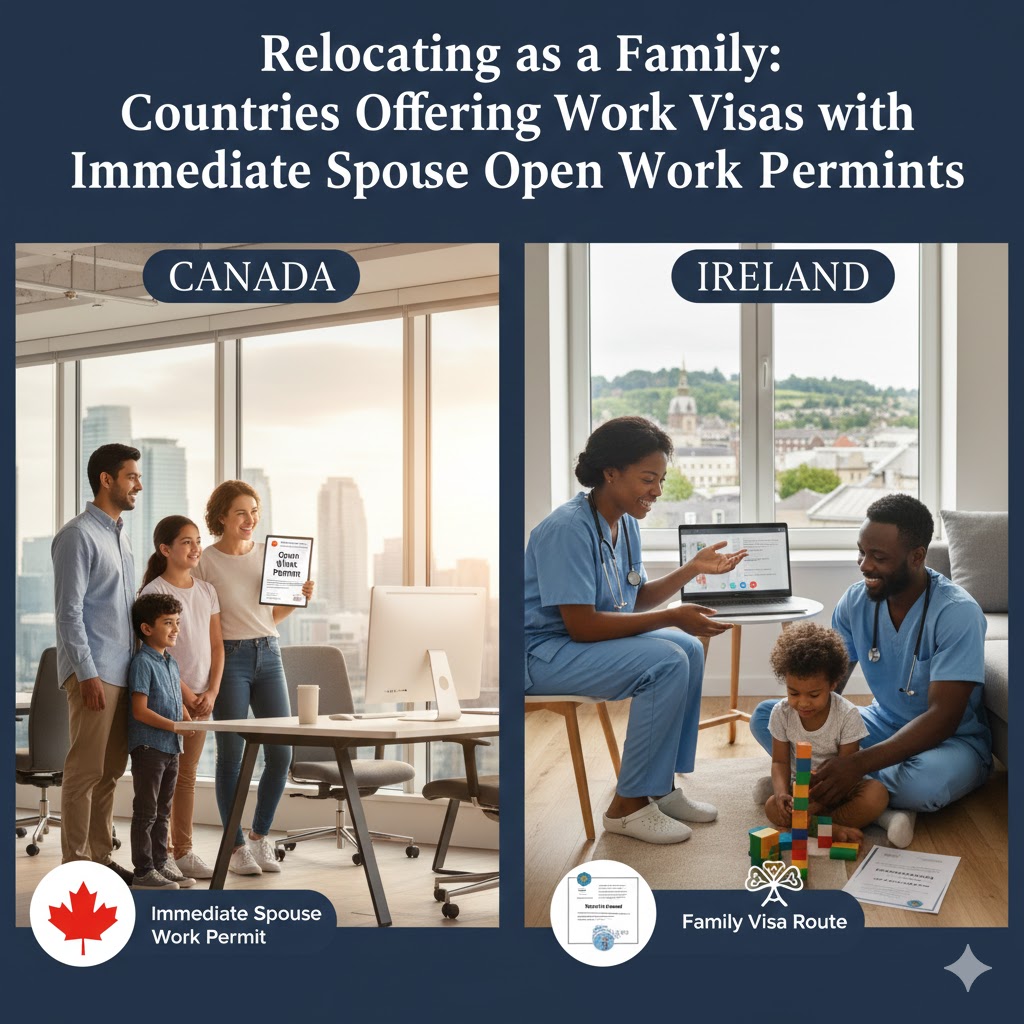
Canada is frequently cited as the standard for family-inclusive labour. Under many Canadian work permit streams, spouses of skilled workers can get open work permits. This means they can work for almost any employer in the country. Canada’s long-term goal has always been to attract whole families, not just individual workers. Canada’s long-term focus is on attracting entire households rather than just individual workers.
This method has a lot of benefits for families moving to Canada. Household income can quickly become stable, spouses can keep working on their careers, and kids can get a structured education and healthcare system.
What makes Canada special? Canada’s job market depends a lot on workers from other countries. Letting spouses work helps families settle in faster and keeps skilled workers longer.
Note that this is important The main applicant’s job type, skill level, and permit category determine if they can apply. Immigration rules change, so families should always check the most up-to-date requirements.
United Kingdom: Dependent Visas with Work Rights
The United Kingdom has long drawn skilled workers and their families, especially through its system for skilled worker migration.
Many times, the spouses of skilled workers are given dependent visas that let them work without needing a sponsor. This means that the partner who comes with them can look for work in most fields soon after they arrive.
This flexibility can make moving to the UK much less stressful and expensive for families who are thinking about it.
Why this is important The cost of living in the UK can be high. Households with two incomes are better able to pay for rent, childcare, and other daily costs.
Points to consider
Things to think about There are rights at work, but in some places, there is a lot of competition for jobs. Depending on their experience and the needs of the area, spouses may need time to find the right jobs.
Germany: Increasingly Open to Working Spouses
Germany has changed a lot in how it handles skilled migration and family integration.
In many categories of skilled work visas, spouses are permitted to work without significant restrictions. Spouses who obtain residence permits under many skilled work visa types are free to work without many restrictions. This shows that Germany is trying to solve its labour shortages while also helping whole families move in together.
The system gives people moving to Germany structure and predictability, especially in the fields of technology, healthcare, and engineering.
What makes Germany a good place for families Germany is a great place to live because it has strong protections for workers, cheap schools, and a clear path to permanent residency.
Language issues Many workplaces use English, but knowing German greatly increases the job options for spouses.
Australia: Work Rights for Accompanying Partners
Australia is still working to make itself a place where skilled workers and their families want to live.
Many skilled visa streams give spouses and partners full rights to work. This makes it easier for families moving to Australia to get their finances in order quickly after they get there.
Australia’s approach recognises that skilled workers are more likely to stay long-term when their families are supported from the start.
Why this is important for families In big cities, the cost of living in Australia can be high. Letting spouses work helps families pay their bills and keep their quality of life.
Things to think about There are different types of visas. Families should make sure that both partners’ work rights match the visa pathway they want to take.
New Zealand: A Balanced Family Migration Model
New Zealand has a family-friendly approach to skilled migration, especially for jobs that are in high demand.
The spouses of skilled workers often have open work rights, which means they can look for jobs in any part of the job market. This flexibility helps families with two incomes and makes it easier for them to adjust.
Families who choose New Zealand may find the focus on work-life balance, education, and getting involved in the community to be very appealing.
Why families like New Zealand New Zealand is different because it has a smaller population, clear immigration rules, and a focus on quality of life.
Real life When looking for a job, it’s important to think about where you live and how flexible you are. Job markets can be smaller in smaller countries.
Comparing These Countries at a Glance
Each country has its own rules, but they all agree that skilled migration works best when families are helped.
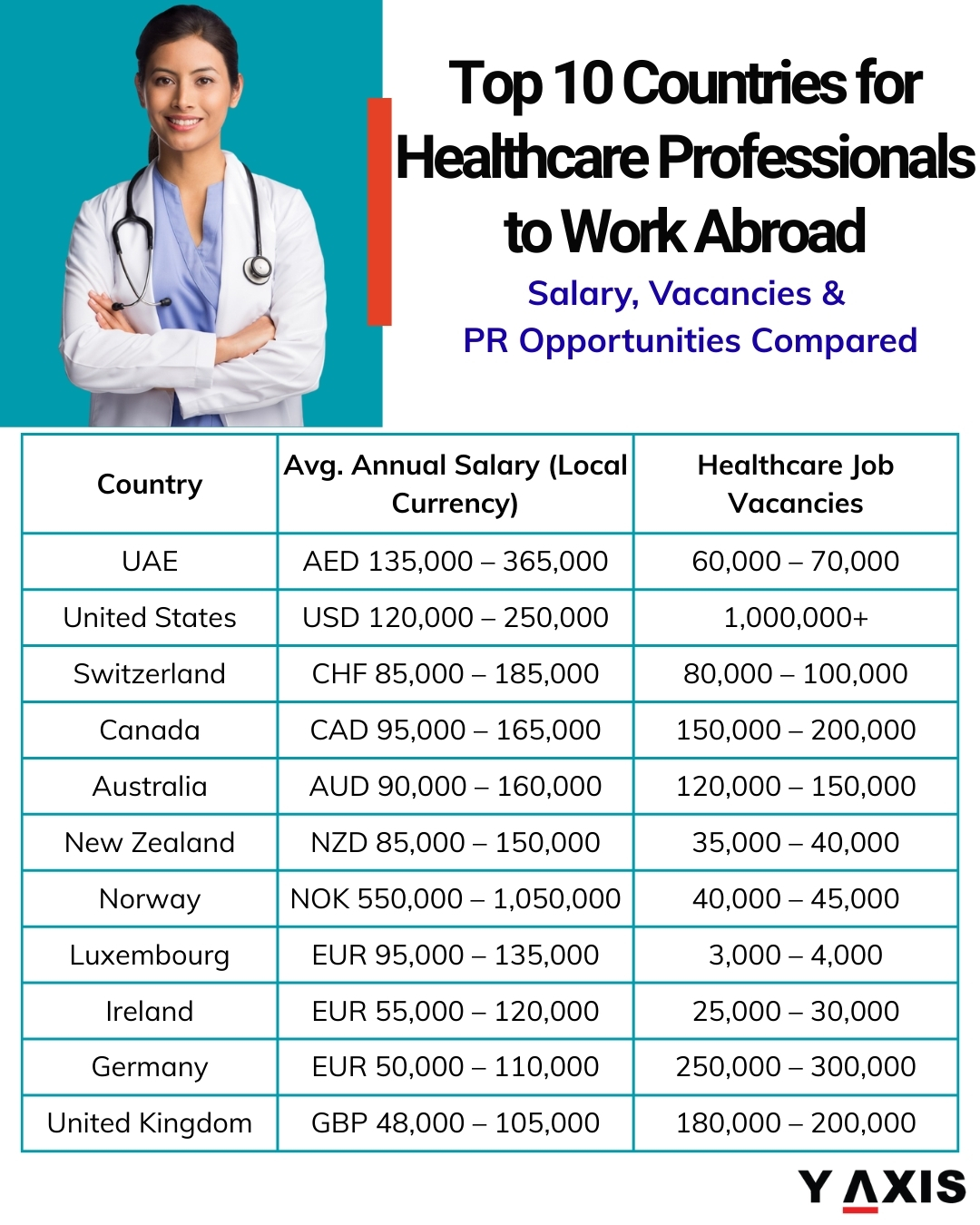
Across Canada, the UK, Germany, Australia, and New Zealand, immediate or near-immediate spouse work rights help:
- Stabilize household finances
- Reduce emotional stress of relocation
- Encourage long-term settlement
- Support labor market participation
However, “open” does not mean unlimited. Local regulations, professional licensing, and market conditions still apply.
Common Misunderstandings About Spouse Open Work Permits
Many families move with ideas that can lead to disappointment.
A common myth is that open work permits mean you will get a job right away. No, they don’t. Spouses still need to look for work, network, and meet their employers’ needs.
Another common misconception is that there are jobs for everyone. Some regulated jobs may need local certification or other steps.
Families can plan better and avoid getting frustrated if they understand these limits early on.
Step-by-Step: How Families Can Prepare Strategically
Moving in together is easier if you plan ahead.
First, both partners should look at how employable they are. Updating CVs to align with local standards, understanding market demands, and identifying transferable skills are crucial.
Next, look into housing, childcare, and schools early. These things affect which places in a country are the best to live.
Getting ready doesn’t get rid of uncertainty, but it does lessen its effect.
Why Some Countries Do Not Offer Immediate Spouse Work Rights
It’s also important to know why some places don’t allow spouses to work.
Countries with full labour markets, strong job protections, or not enough administrative capacity may take longer to give permission for a spouse to work. These policies show what the government cares about more than what it thinks about migrants.
This makes it very important for families to compare policies. Picking a country that meets your family’s needs is just as important as picking a job.
Long-Term Stability and Pathways Forward
Clearer long-term paths to settlement are often associated with immediate spouse work permits.
Families build economic and social roots more quickly when both partners work. If local law allows it, this can help with future residence applications.
You should not use this article as legal advice, as it only provides general information. Families should always check their eligibility and options with official immigration resources or licensed professionals.
Final Thoughts: Choosing a Country That Supports the Whole Family
Moving as a family isn’t just about one person’s job. It is about stability, growth, and health for everyone.
Countries that grant work visas with open work permits to the immediate spouse are aware of this fact. They know that families that do well give more, stay longer, and fit in better.
Canada, the UK, Germany, Australia, and New Zealand are all known for their family-friendly policies right now. Each has its own pros and cons, but they all offer a framework that respects the roles of both partners in a successful move.
For families who are moving abroad, picking a place where everyone can fully participate from day one can make a big difference.